Personal Injury Settlement Payouts (2026)
Personal injury settlements form the backbone of compensation law in the United States. Whether you’re dealing with a car accident, slip and fall, dog bite, or product liability, understanding how settlements work can make the difference between an undervalued payout and fair compensation. This page provides an authoritative, up-to-date resource on what to expect from your personal injury claim, how settlement values are determined, and the factors that influence your payout.
- ✓ In-depth payout ranges for leading claim types
- ✓ Step-by-step guide to the settlement process
- ✓ Key valuation factors and how to maximize your claim
- ✓ Advanced FAQs and internal links to related guides
What Is a Personal Injury Settlement?
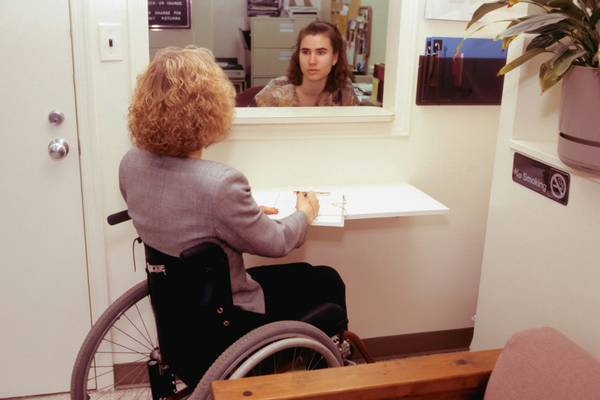
A personal injury settlement is a financial agreement reached between an injured person (the claimant) and the at-fault party (or their insurer) to compensate for damages resulting from an accident or negligent act. Most claims settle out of court—saving time, stress, and legal costs for all parties. Settlements are common after:
- Motor vehicle accidents (car, truck, motorcycle, pedestrian)
- Slip, trip, and fall injuries
- Dog bites and animal attacks
- Product liability incidents (defective products)
- Workplace accidents
- Medical malpractice or nursing home negligence
- Wrongful death claims
Settlements aim to cover medical bills, lost wages, pain and suffering, and other related losses. For a breakdown by injury type, see our payout tables.

Payout Ranges for Common Personal Injury Claims
The Personal Injury Settlement Process: Step-by-Step
- Incident Occurs: Accident, injury, or negligence event.
- Immediate Medical Care: Seek prompt care and document all injuries, even minor ones.
- Evidence Gathering: Take photos, collect police/incident reports, witness info, and receipts.
- Notify Insurance/At-Fault Party: Report the claim to insurers or liable party (or their employer).
- Initial Evaluation: Insurer reviews facts, may request more documentation, and assigns an adjuster.
- Negotiation: Settlement offers and counteroffers are exchanged. Your attorney (if any) negotiates for higher compensation.
- Settlement or Lawsuit: Most cases settle. If not, a lawsuit may be filed and proceed to mediation, arbitration, or trial.
- Payout Distribution: Once a settlement is finalized, funds are distributed after a release is signed. Attorney fees and medical liens may be deducted.
Key Factors Affecting Personal Injury Payouts
Severity of Injury
More serious injuries—fractures, head trauma, permanent disability—result in larger settlements than minor bruises or sprains. Catastrophic injury or wrongful death claims command higher payouts.
Liability & Fault
Clear evidence that the other party was negligent increases your claim value. If you share some blame (comparative negligence), your payout may be reduced proportionally.
Medical Costs & Documentation
Higher, well-documented medical bills usually result in higher settlements. Gaps in care, delayed treatment, or incomplete records can lower your claim value.
Insurance Coverage
Settlement amounts are sometimes capped by the at-fault party’s insurance limits. Uninsured or underinsured motorist coverage may apply for accident claims.
Other key valuation factors include pain and suffering, lost wages or earning capacity, the length of recovery, your jurisdiction, and the quality of your legal representation. For a full breakdown, see our guides on pain and suffering and our payout tables.
Detailed Claim Type Breakdowns
Car Accident Settlements
Car accidents are among the most common personal injury claims. Payouts depend on injury severity, fault, state insurance laws, and available coverage. Typical claims include whiplash, fractures, and spinal injuries. See Car Accident Payouts
- Low: $3,000 (minor injury, soft tissue)
- Average: $24,000
- High: $180,000+ (multi-vehicle, severe injury)
Slip & Fall Settlements
Slip or trip and fall accidents are usually filed as premises liability claims. Settlement amounts depend on the property owner’s negligence, injury type, and available insurance. See Slip & Fall Details
- Low: $5,000
- Average: $35,000
- High: $225,000+
Dog Bite Settlements
Dog bite claims account for thousands of insurance settlements each year. Children are often victims, and claims may involve strict liability or one-bite rules depending on the state. See Dog Bite Guide
- Low: $9,000
- Average: $32,000
- High: $100,000+
Product Liability Settlements
Injuries from defective or dangerous products often result in higher settlements, especially in cases of corporate negligence or recalls. See Product Liability
- Low: $7,500
- Average: $65,000
- High: $1,200,000+
Personal Injury Settlement FAQs
Related Personal Injury Settlement Guides
Car Accident Settlements
See typical payout ranges and claim steps for car accident injuries.
Learn MorePain & Suffering Damages
Learn how pain and suffering is calculated in personal injury claims.
Learn More