Car Accident Settlements: Payouts, Claim Types & Legal Strategies
Every year, millions of Americans are involved in car accidents, leading to a wide range of injuries and billions in insurance payouts. Navigating a car accident settlement means understanding your rights, the types of claims available, typical payout ranges, and the best steps to maximize your compensation. This guide covers everything from rear-end collisions and DUI claims to multi-car pileups and uninsured motorist accidents—complete with practical payout examples, expert negotiation tips, and step-by-step instructions.
Estimate My Settlement
View Payout Tables

What Is a Car Accident Settlement?
A car accident settlement is a financial agreement between an injured party (the claimant) and an insurance company or at-fault driver to resolve claims without going to court. Settlements are meant to compensate victims for damages including medical expenses, lost wages, pain and suffering, vehicle repairs, and more. Most car accident cases are resolved via settlements rather than lawsuits, especially when liability is clear and damages are well documented.
Types of Car Accident Claims
Rear-End Collision
- Whiplash or soft tissue injuries
- Clear liability (rear driver usually at fault)
- Most common accident type
Example: Driver stopped at a red light is rear-ended, suffers neck strain and minor car damage. Settlement: $5,000–$30,000 for minor injuries; higher if there is lasting impairment.
See More ExamplesDUI-Related Accident
- Impaired driver at fault
- Punitive damages possible
- Often higher payouts due to egregious conduct
Example: DUI driver causes a crash; victim requires surgery. Settlement: $50,000–$250,000, with potential for higher punitive awards if the case goes to trial.
Personal Injury GuideMulti-Car Pileup
- Chain-reaction collisions
- Multiple insurers and drivers
- Complex liability/fault investigation
Example: Four vehicles crash in heavy traffic; several victims with moderate injuries. Settlement: $20,000–$200,000+ per injured party, depending on injuries and fault percentages.
FAQs on Multi-Car ClaimsUninsured/Underinsured Motorist
- At-fault driver lacks enough insurance
- Claim handled through your own UM/UIM policy
Example: Hit by uninsured driver; broken wrist, missed work. Settlement: $10,000–$100,000+, depending on your UM/UIM policy limits.
See More DataMIST (Minor Impact Soft Tissue)
- Low-speed crashes, soft tissue claims
- Insurers often dispute injury severity
Example: Fender bender, whiplash diagnosis, physical therapy needed. Settlement: $1,000–$10,000; strong medical records are crucial.
See FAQAverage Car Accident Settlement Amounts
Settlement amounts vary widely based on injury severity, fault, state laws, and available insurance coverage. Here are typical payout ranges for common car accident scenarios:
Rear-End Collision
- Low: $2,500
- Average: $18,000
- High: $150,000+
Whiplash and mild injuries settle quickly; permanent or surgical cases raise value.
DUI-Related Crash
- Low: $7,000
- Average: $45,000
- High: $250,000+
Punitive damages, criminal evidence, and severe injuries boost payouts.
Multi-Car Pileup
- Low: $5,000
- Average: $32,000
- High: $500,000+
Multiple parties may share liability; payouts depend on insurance and fault split.
Uninsured Motorist
- Low: $2,000
- Average: $15,000
- High: $100,000+
Your own UM/UIM policy sets a cap on payout, regardless of actual damages.
MIST (Minor Impact)
- Low: $1,000
- Average: $8,500
- High: $25,000+
Soft tissue injury claims often receive lower offers unless medically documented.
How Are Car Accident Settlements Calculated?
Insurers (and attorneys) calculate settlements by totaling your actual damages and weighing them against liability and available coverage. Key factors include:
- Medical Expenses: ER visits, hospital bills, rehabilitation, future medical needs.
- Lost Wages: Time missed from work, reduced earning capacity, future income loss.
- Pain and Suffering: Physical pain, emotional distress, loss of enjoyment of life.
- Vehicle Repairs: Cost to repair or replace your car, diminished value.
- Liability & Fault: The clearer the other party’s fault, the higher the expected settlement.
- Insurance Policy Limits: The maximum payout is often capped by the at-fault driver’s (or your own) policy limit.
- State Law: No-fault states may limit pain and suffering, while pure comparative fault states allow recovery even if you are mostly at fault.
Car Accident Settlement Process: Step-by-Step
- Get to safety and check for injuries
- Call police and emergency services
- Document the scene: photos, witness info, vehicle positions
- Visit ER or doctor, even if injuries seem minor
- Follow up with specialists as needed
- Keep all medical records and bills
- Notify your insurer and the at-fault driver's insurer
- Submit initial documentation and statements
- Do not admit fault or speculate on injuries
- Insurance adjusters review police reports, medical files, repair bills
- More documentation may be requested
- Fault may be disputed
- Insurer makes a first (often low) offer
- Claimant counters with evidence and demands
- Multiple rounds of negotiation may follow
- Most cases settle without trial
- If talks fail, a lawsuit may be filed
- Litigation increases leverage but adds time and cost
- Sign a release; funds are paid within 2–6 weeks
- Legal fees and liens (if any) are deducted
Factors That Increase or Reduce Settlement Value
Increase Settlement Value
- Severe or permanent injuries (surgery, disability)
- Clear evidence of the other driver’s fault
- Multiple vehicles or commercial insurance involved
- Strong, timely medical documentation
- Punitive damages (DUI, reckless driving)
Cases with catastrophic losses or egregious conduct often result in higher payouts.
Reduce Settlement Value
- Pre-existing injuries or delayed care
- Disputed liability or lack of evidence
- Low insurance policy limits
- Partial fault by the claimant
- Incomplete documentation or missed deadlines
Insurers use these factors to justify lower offers or reject claims.
Practical Tips & Documentation Checklist
- Take clear photos/video at the scene, including all vehicles and license plates
- Request police report and witness statements
- Seek prompt medical attention and follow all treatment recommendations
- Keep a daily journal of symptoms, pain level, and impact on daily life
- Document all lost work time and out-of-pocket costs
- Do not give recorded statements to insurers without legal advice
- Consult an experienced attorney for serious or disputed claims
- Never accept a settlement until all injuries and damages are fully documented
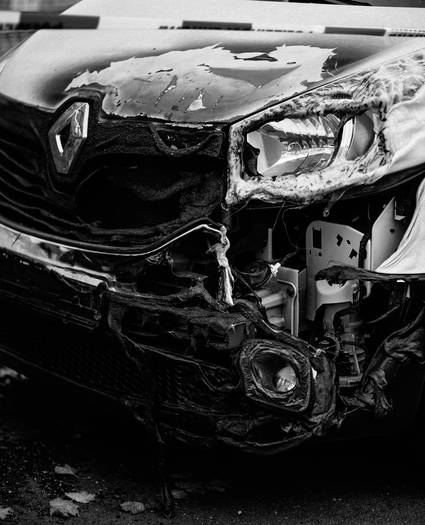
Car Accident Settlement FAQ
Related Guides & Resources
Personal Injury Settlements
Explore payout ranges and case types for car accidents, slip and falls, dog bites, and more.
Read MoreSettlement Calculator
Estimate your claim value in minutes using our interactive, anonymous calculator.
Try CalculatorPayout Tables
Compare payout data for car accident claims and other personal injury case types.
View Payout Tables